Projects / 2019
What a Wonderful World
Photomontage, memory and the American dream
- With
- Weronika Gęsicka
- Role
- Curator
- Venue
- Shimadai Gallery, KYOTOGRAPHIE 2019 (Apr 18 – May 19, 2019), Kyoto, Japan agnès b. galerie boutique (Nov 30, 2019 – Jan 12, 2020), Tokyo, Japan
- Dates
- Apr 18, 2019 – Jan 12, 2020
What a wonderful world… Louis Armstrong sang in 1968, during one of the most turbulent and traumatic years in the history of the United States. There was deep racial segregation and civil rights struggles. The patience of the people, as well as the national economy, was being drained by the controversial Vietnam War, which by that point had been dragging on for over a decade. Following the assassinations of Martin Luther King, Jr. and Robert F. Kennedy, the country erupted into riots that spread over 100 cities. People were distressed and lived in fear and uncertainty about the future. The lyrics of "What a Wonderful World" made no reference to these dark memories. Instead, the song propagated the delights of the everyday, in the voice of a 66-year-old African American jazzman.
When I saw the artwork of Weronika Gęsicka, this American classic came to mind. At a glance it all seems strange, even inappropriate for the context — but when you look (listen) closely and project your own personal experiences, you begin to see a new truth emerging from the contradictions.
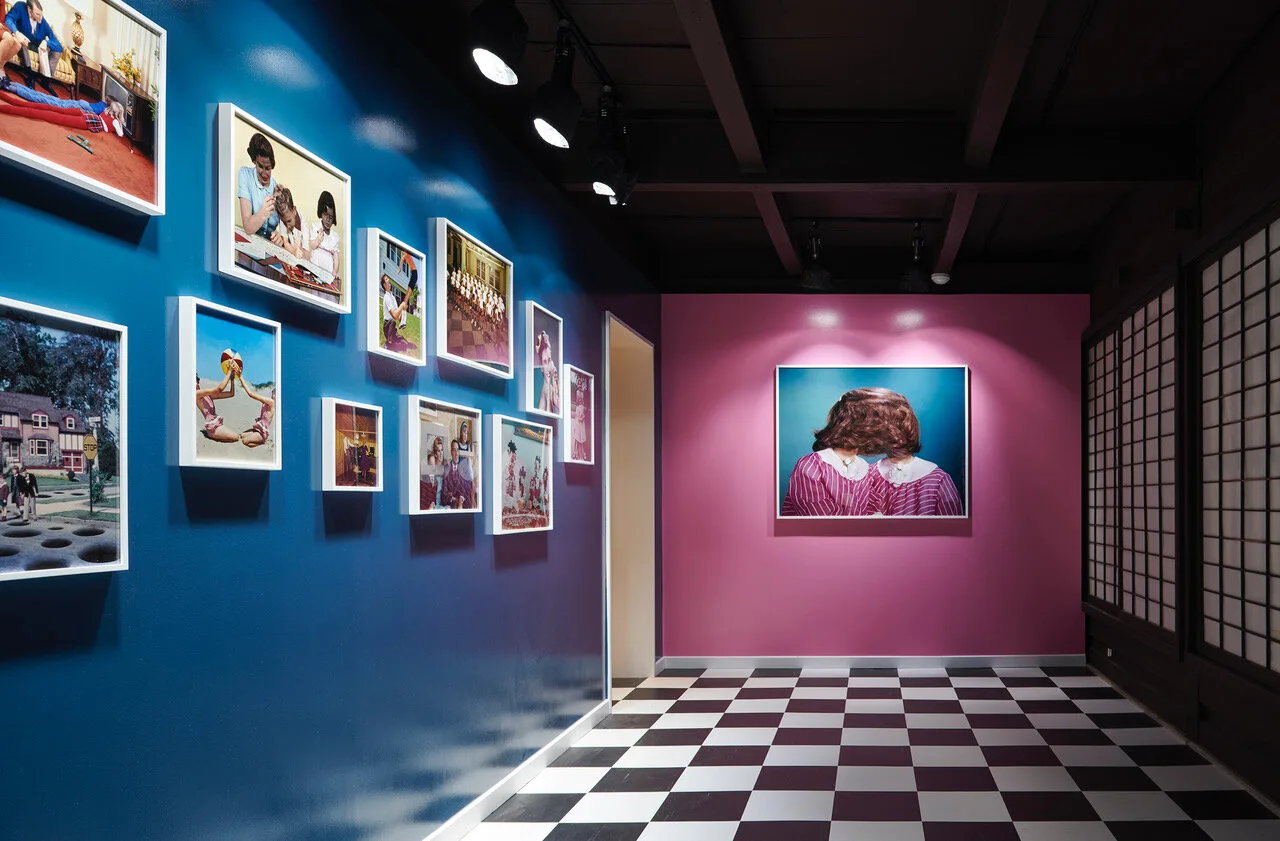
Gęsicka selects vintage photographs of family portraits, vacation scenes and the everyday life of Americans in the 1950s–60s. We do not know the identity of the people in the photos, their relation to each other, or the purpose of the shot. What we gather is that the gestures and gazes seem fake and staged, and that the settings look almost too perfect to be true. The paradox is that when Gęsicka applies her seamless photomontage techniques and manipulates these images from her critical point of view, there seems to be more life and reality in them than the originals could ever reveal.
In one image, a man and a woman sit in front of a fireplace roasting marshmallows. Gęsicka obscures the woman's face with hair, and in front of this faceless head the man holds a mask bearing the smile of a much younger woman. This subtle replacement is a little disturbing but strikingly true to life: it represents the horror of being a woman and the ignorance of men in the misogynistic culture that prevailed in the 1950s United States, and still does in many countries. We cannot know the truth of the people in the photograph, but the work leaves room for viewers to project their own experiences onto it.
Gęsicka incorporates technology such as computer graphics and 3D printing into her process, yet contemporaneity is not the only aspect of her work. Often its techniques evoke those of Dadaism and Surrealism. In the second part of the exhibition, she transforms everyday domestic objects into non-functional, disturbing objects with sadistic connotations — much like the way Man Ray added fourteen tacks to a flat iron.
The blurred boundary between perception and memory is a key motif in her work. It is human nature to leave positive traces of our existence behind, and some of us find it hard to restrain ourselves since the emergence of social media. At what point do we confound the line between false and true memory? It seems an appropriate question to be asking amid today's abundance and manipulation of images.
— Catalogue text: Marina Amada
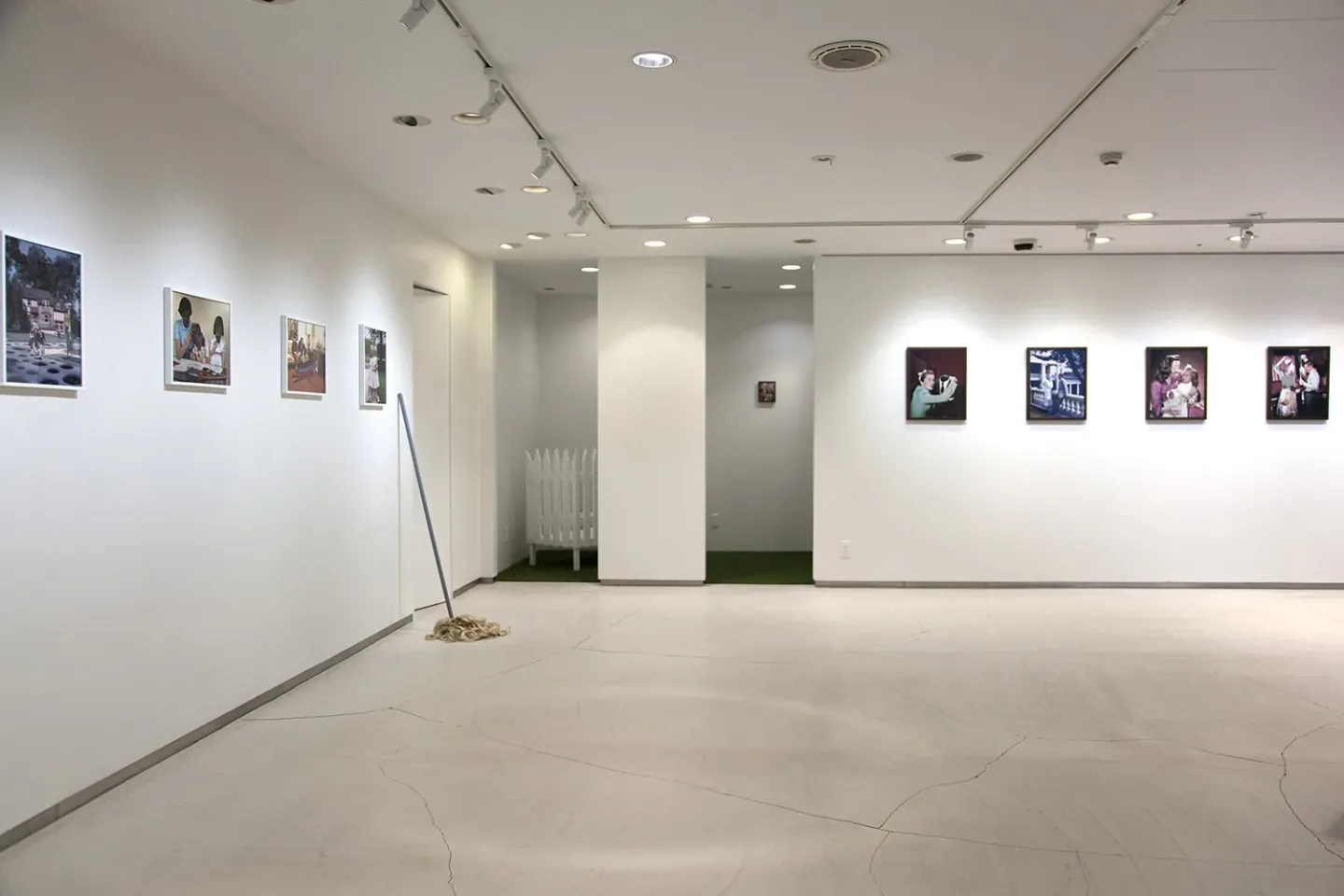
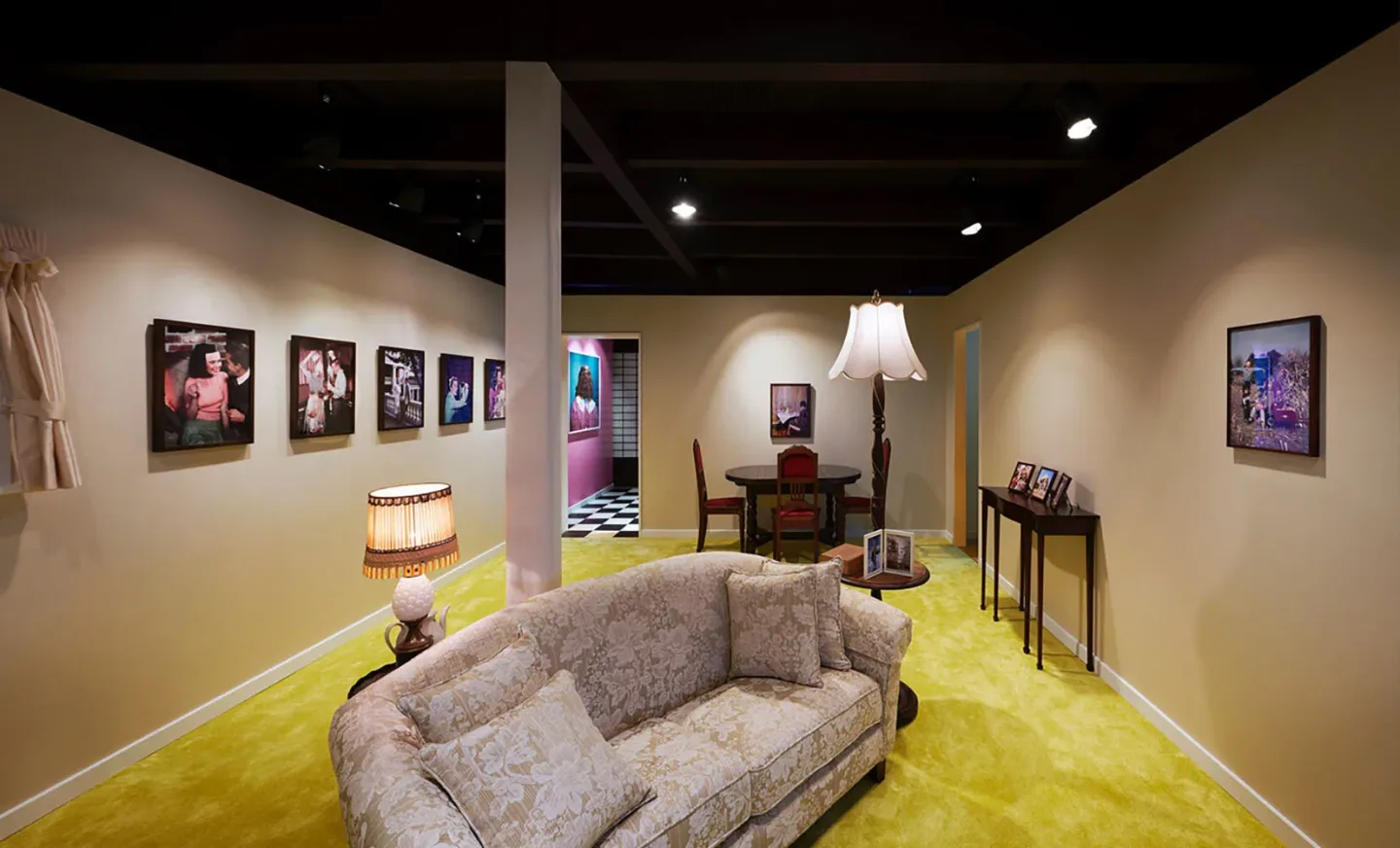
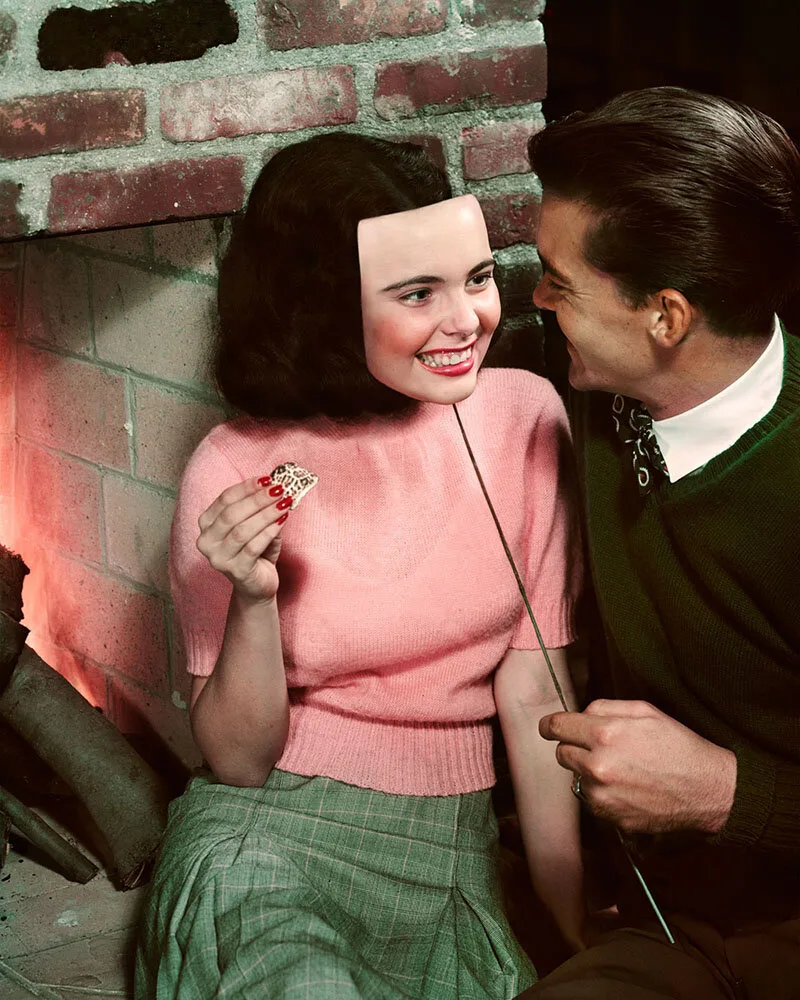
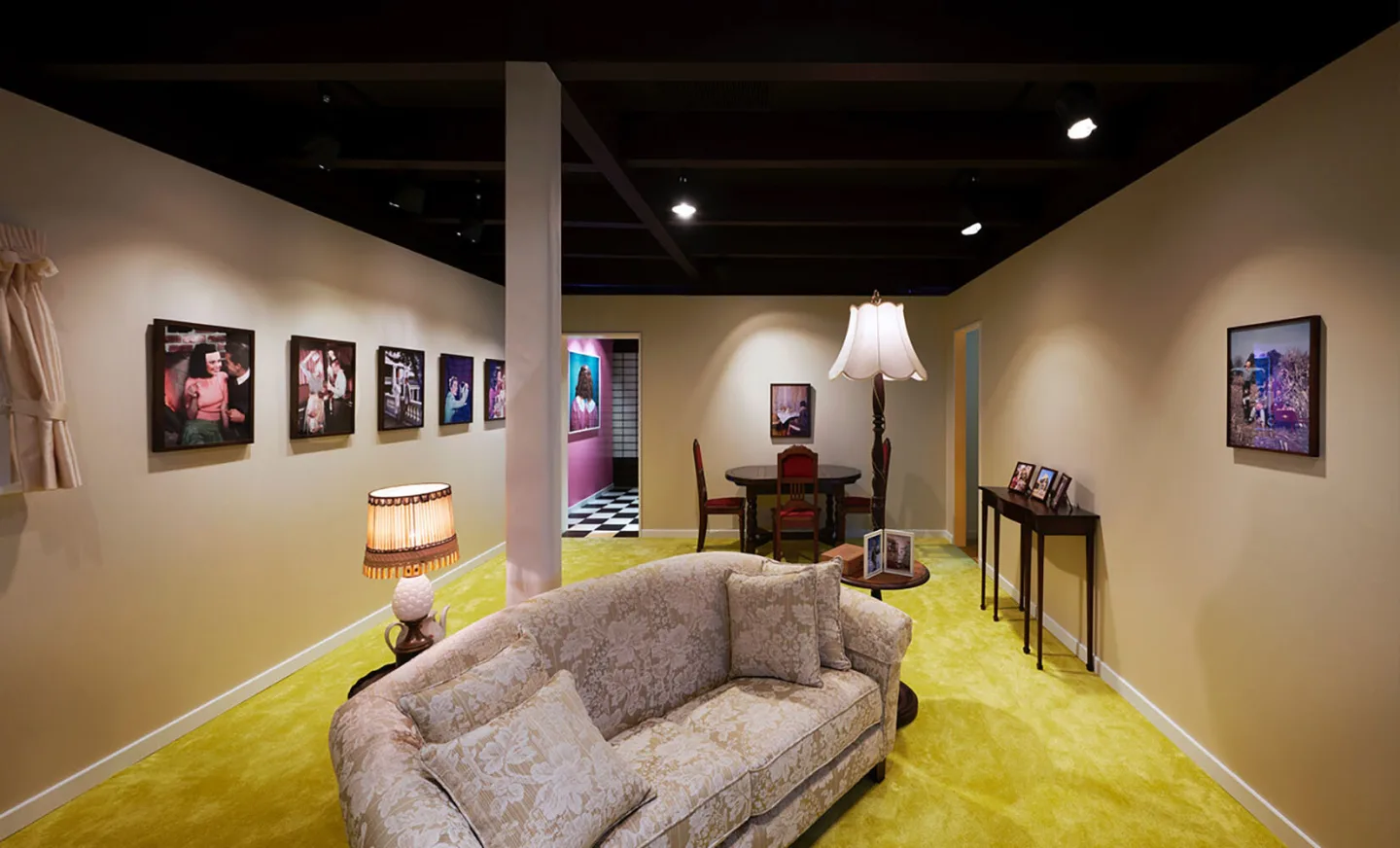
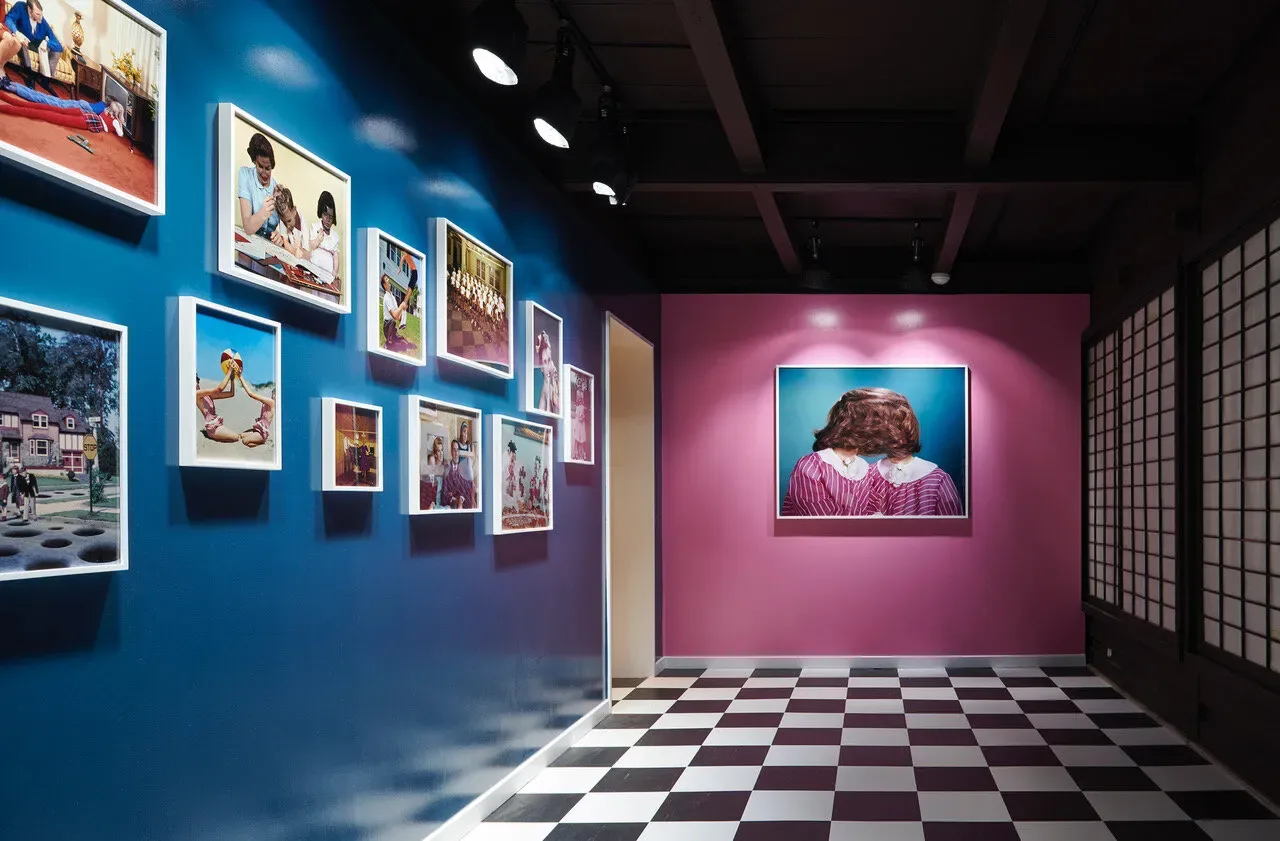
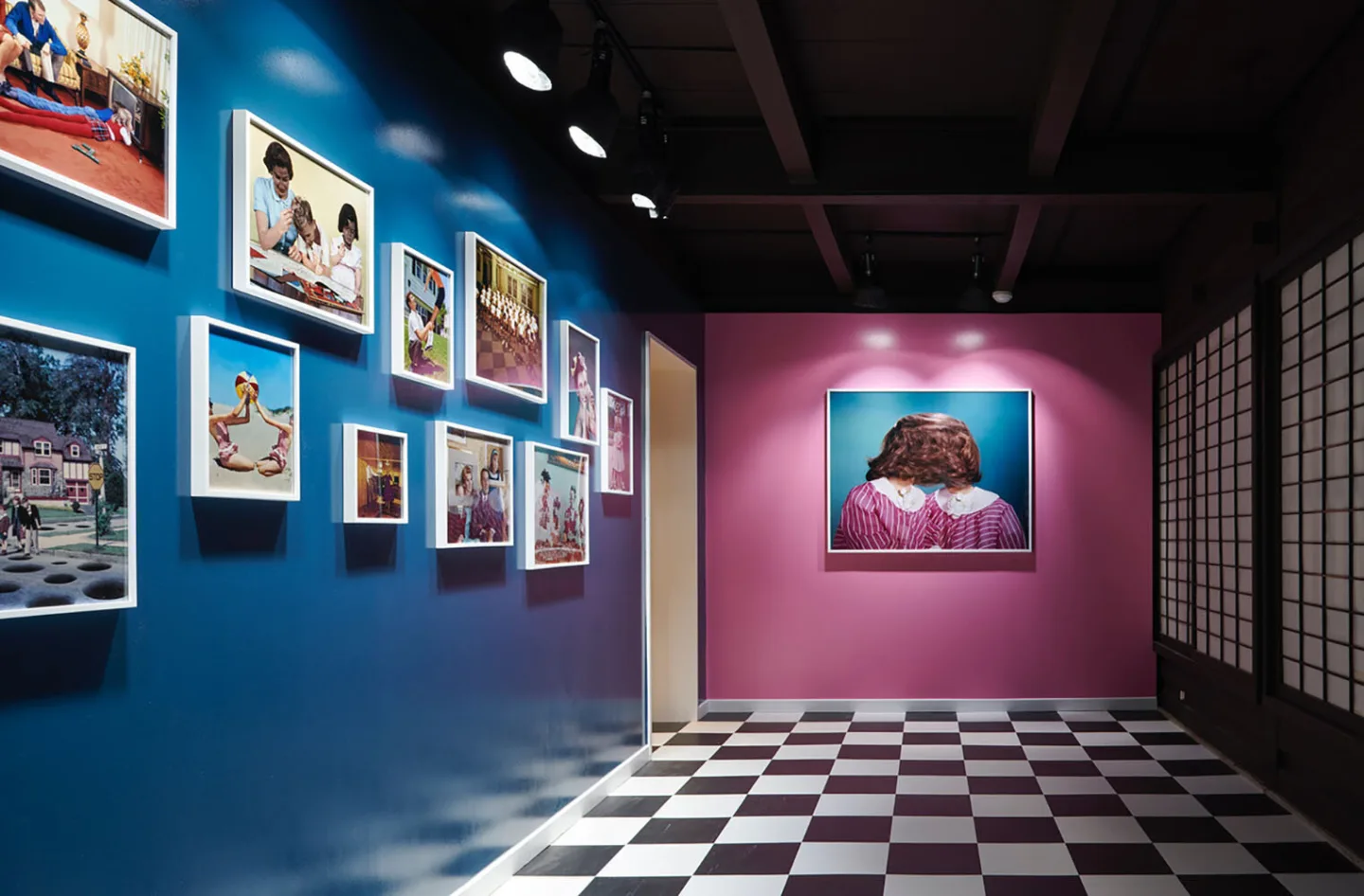
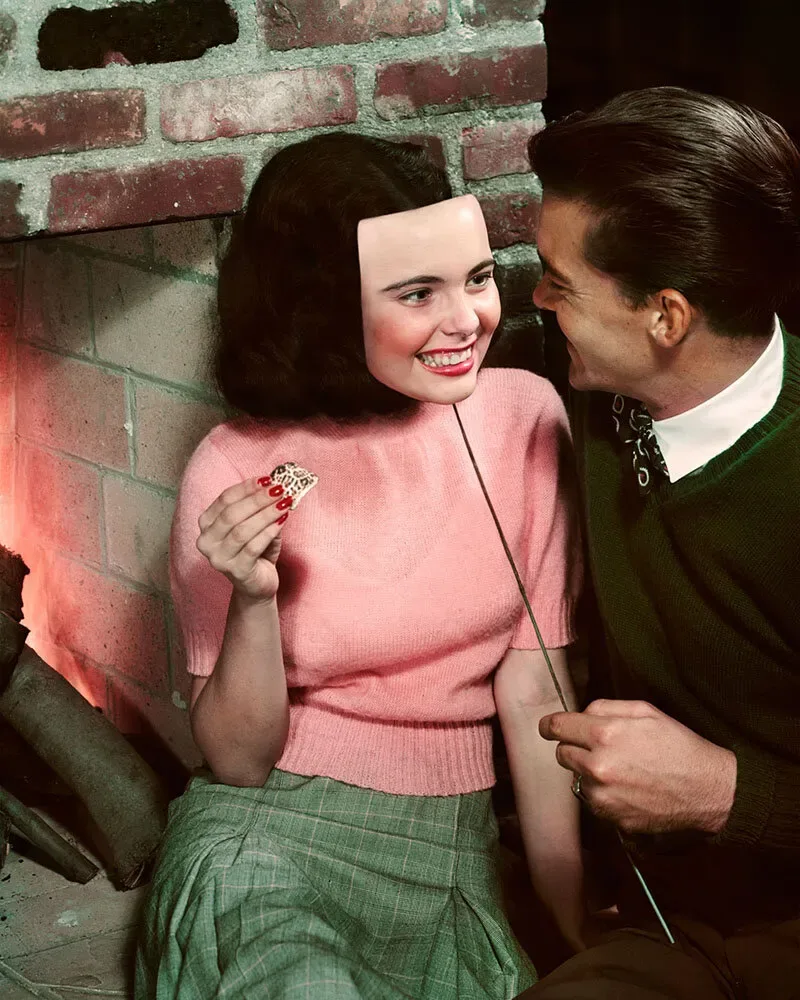
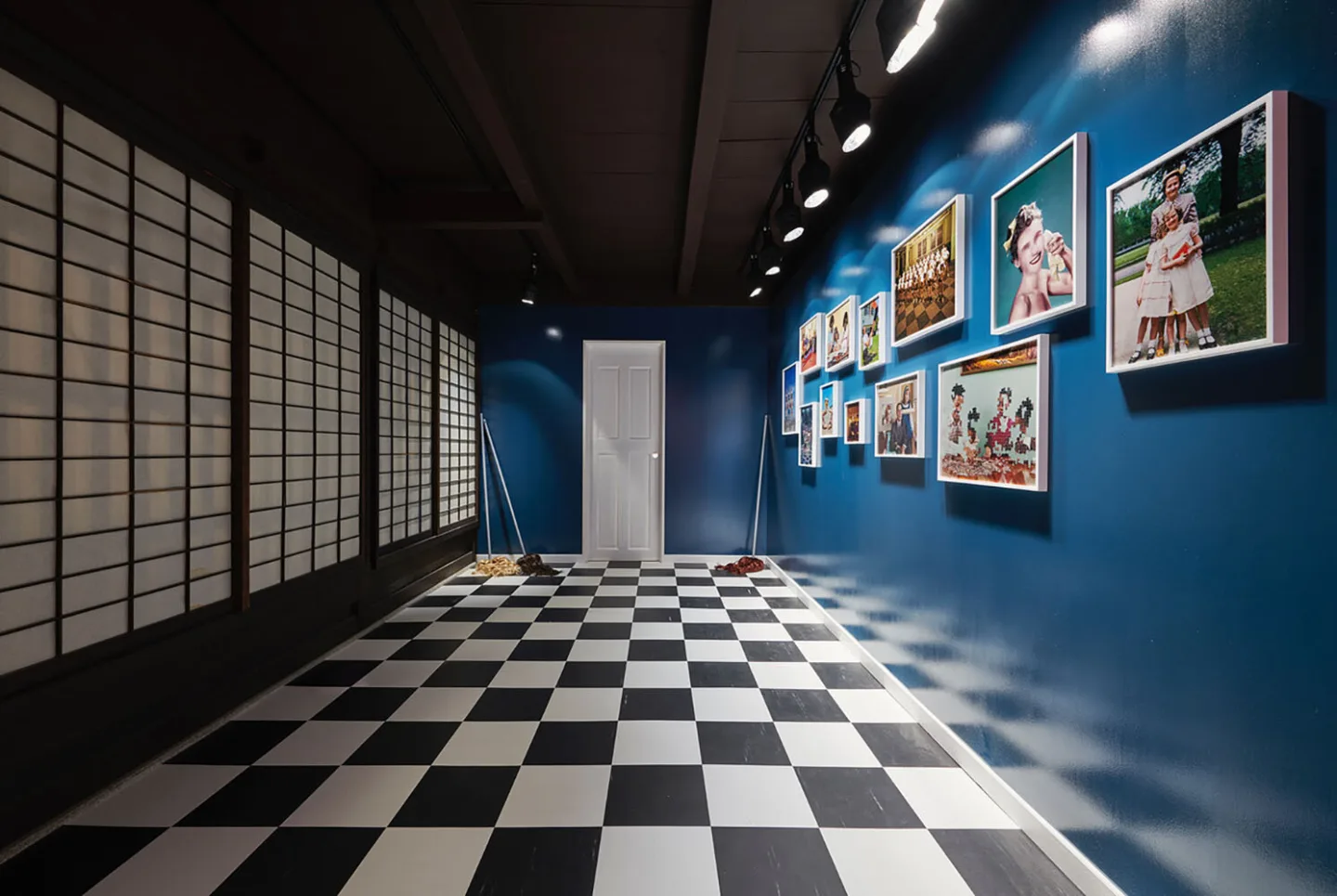
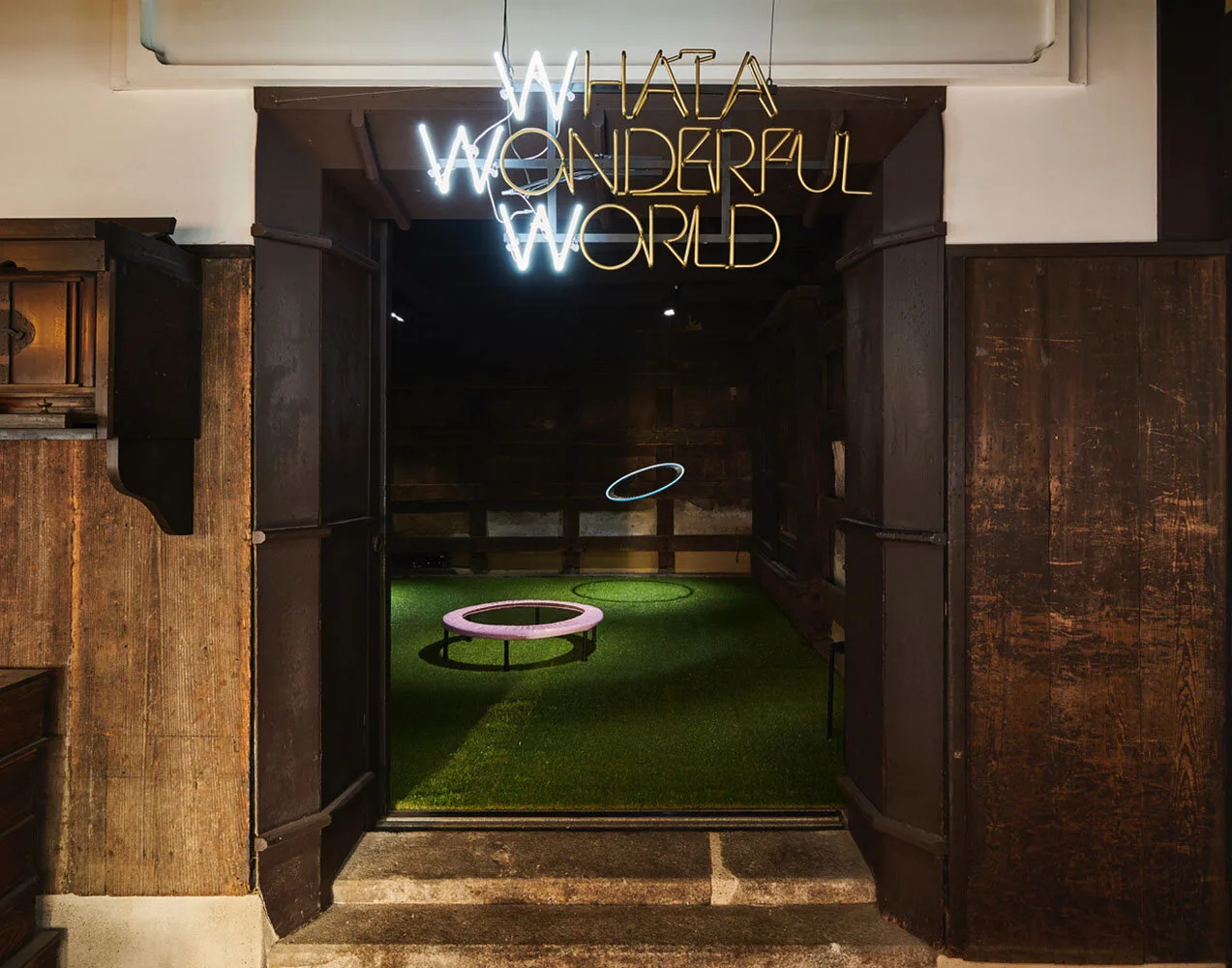
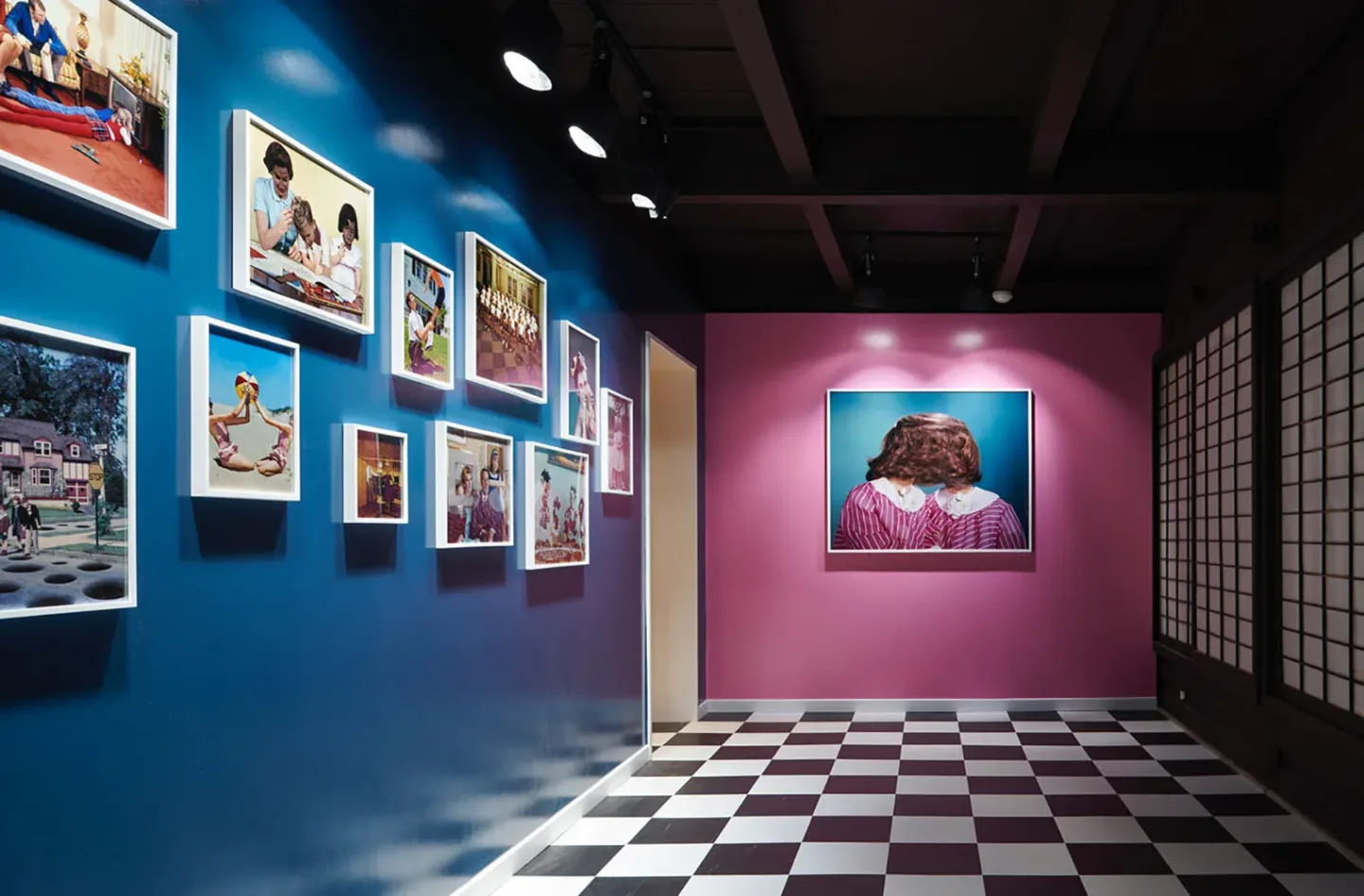
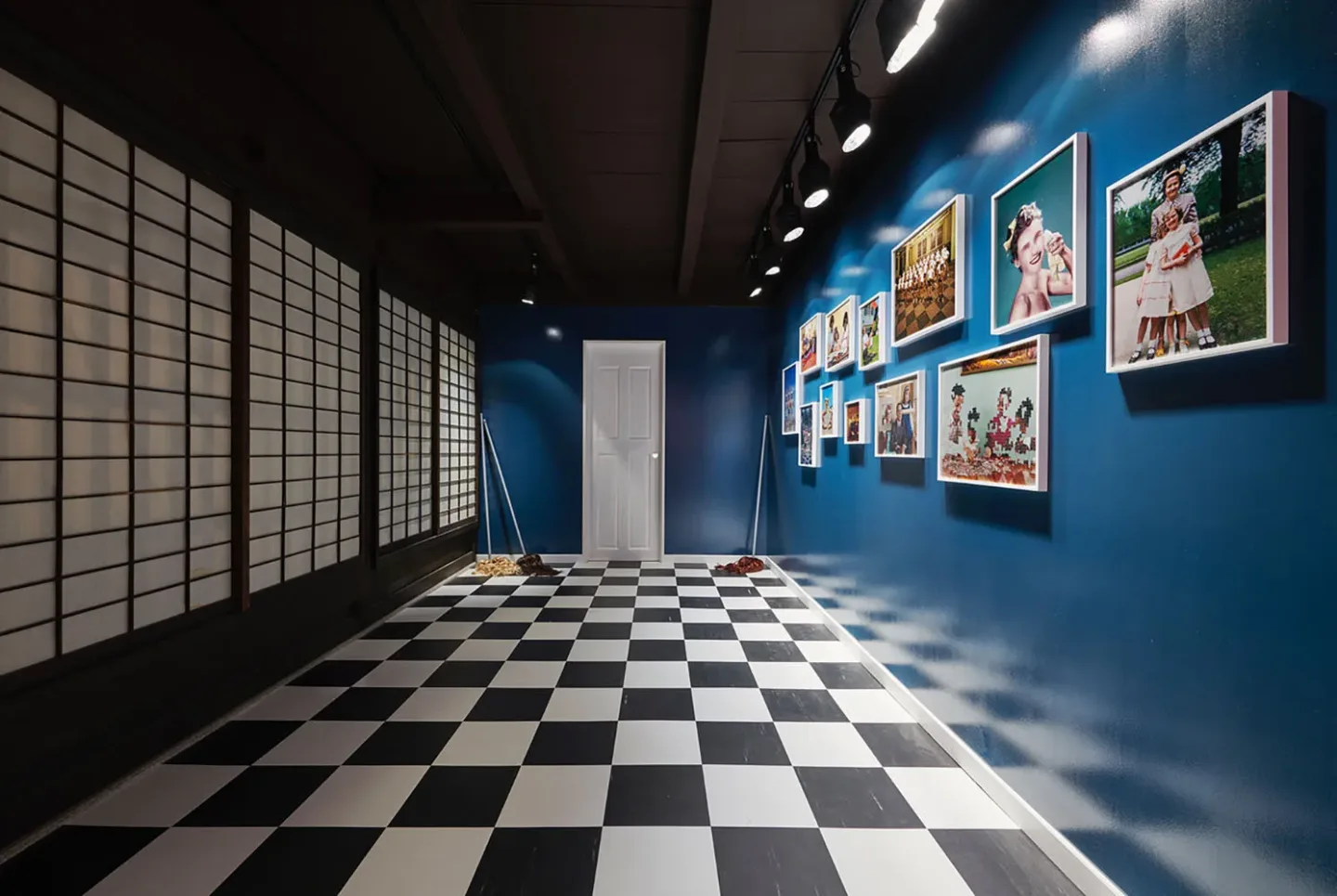
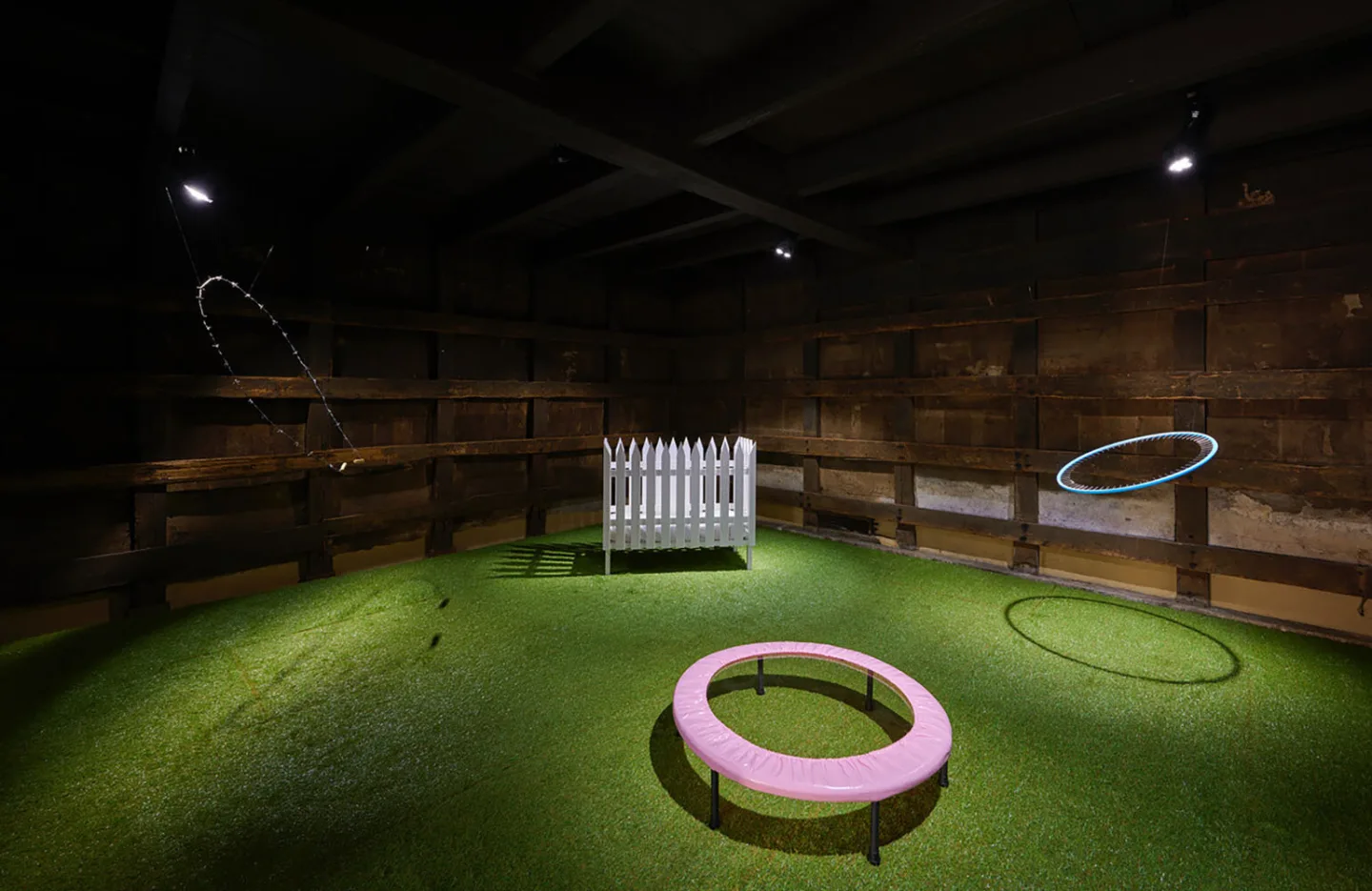
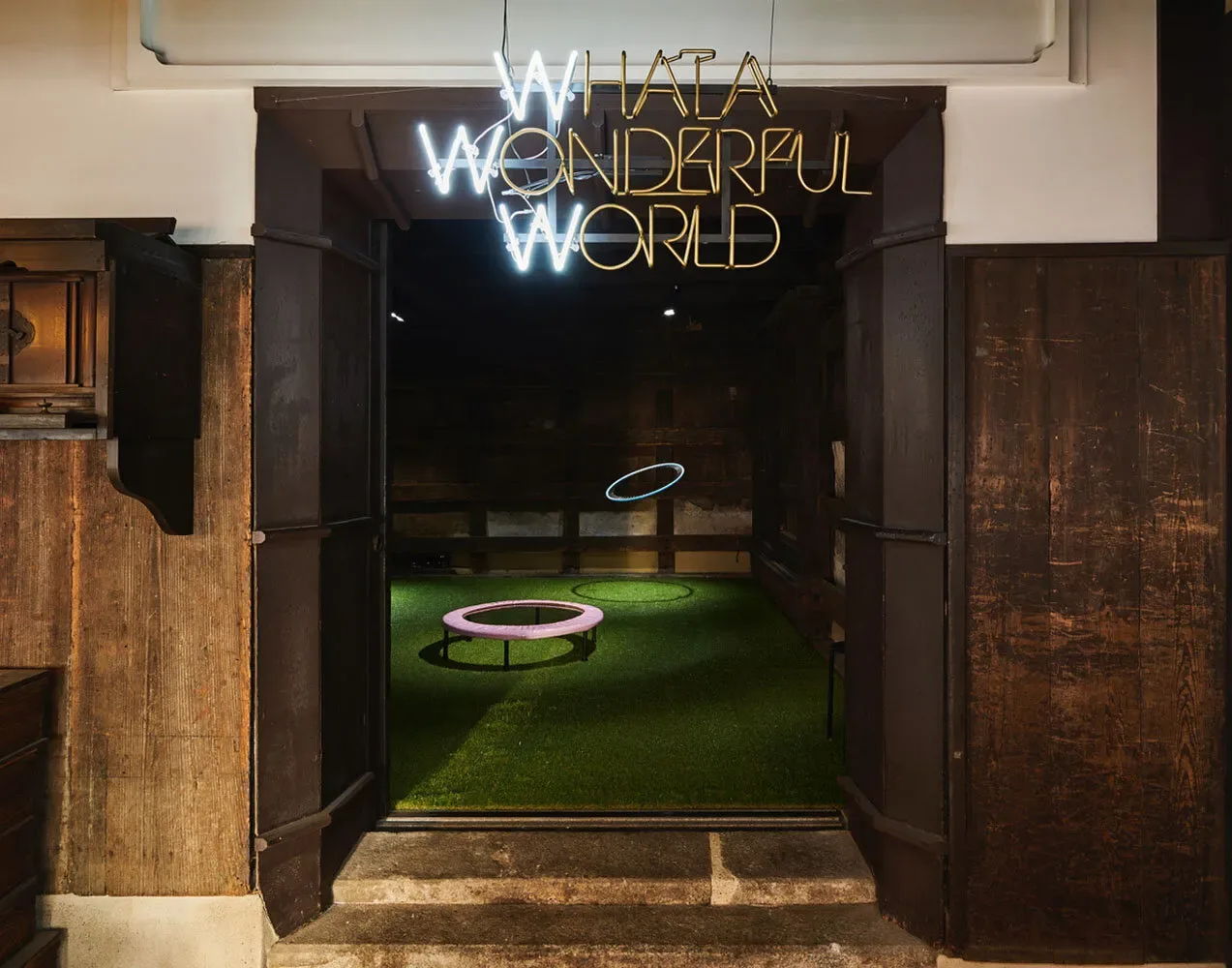
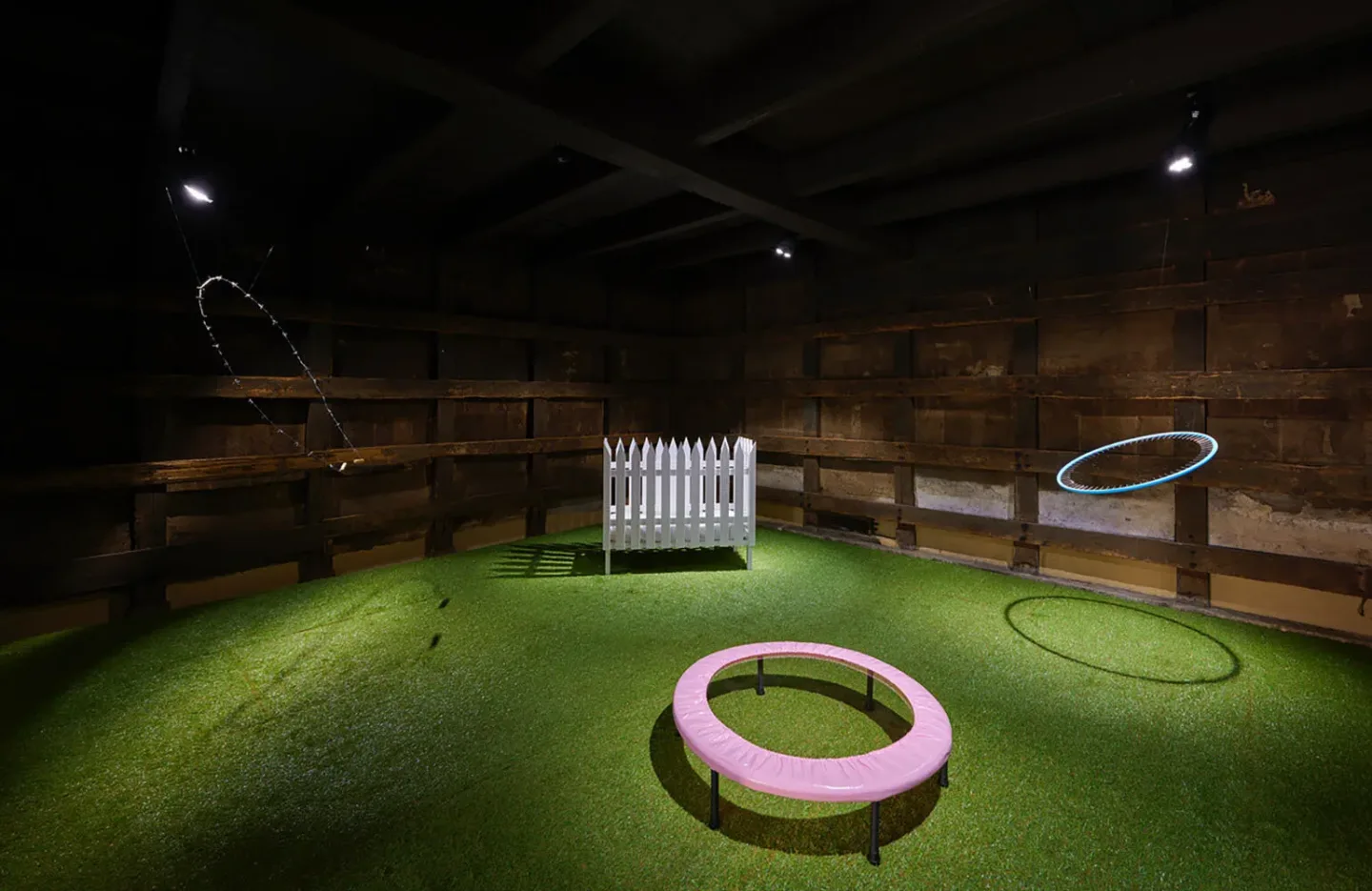
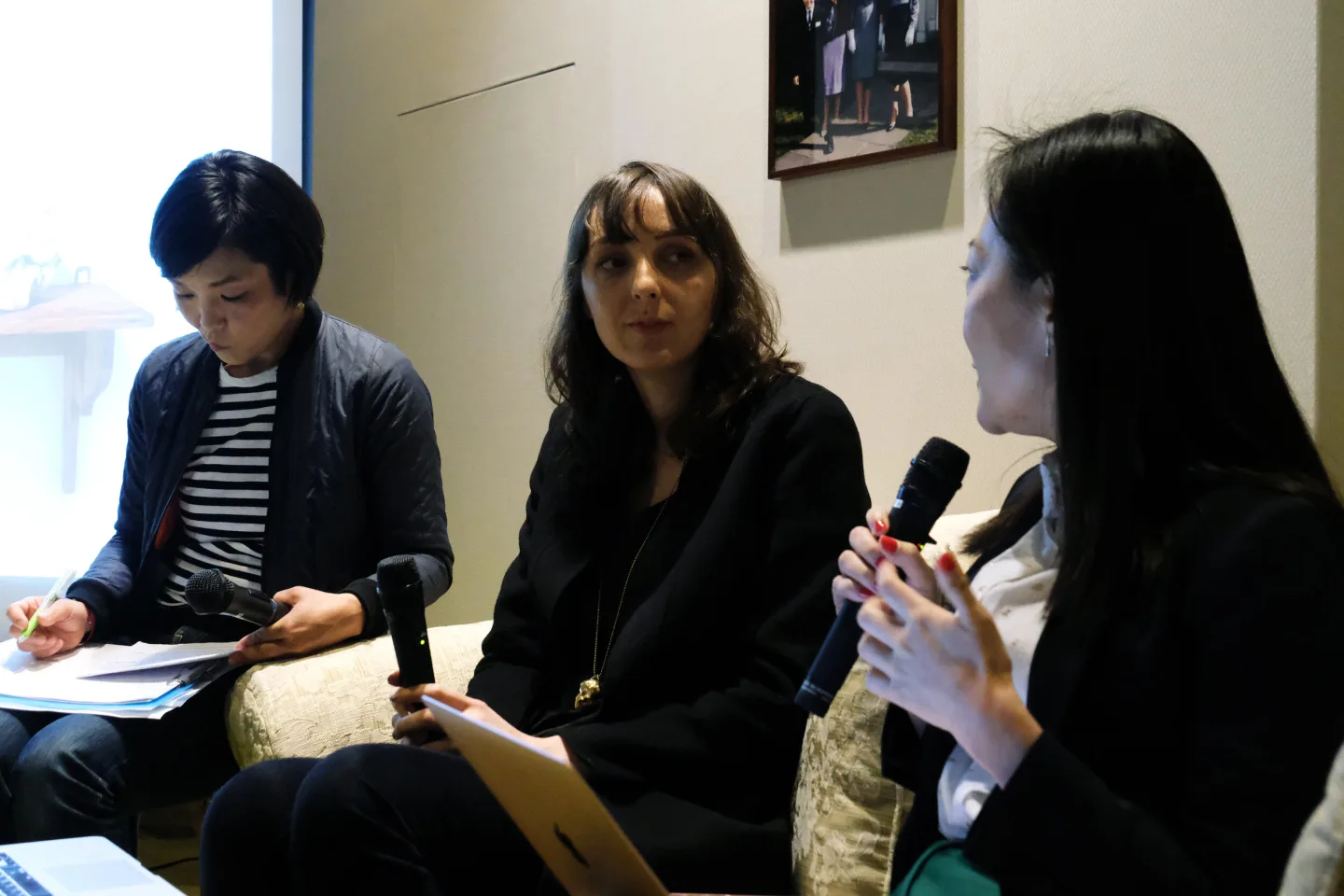
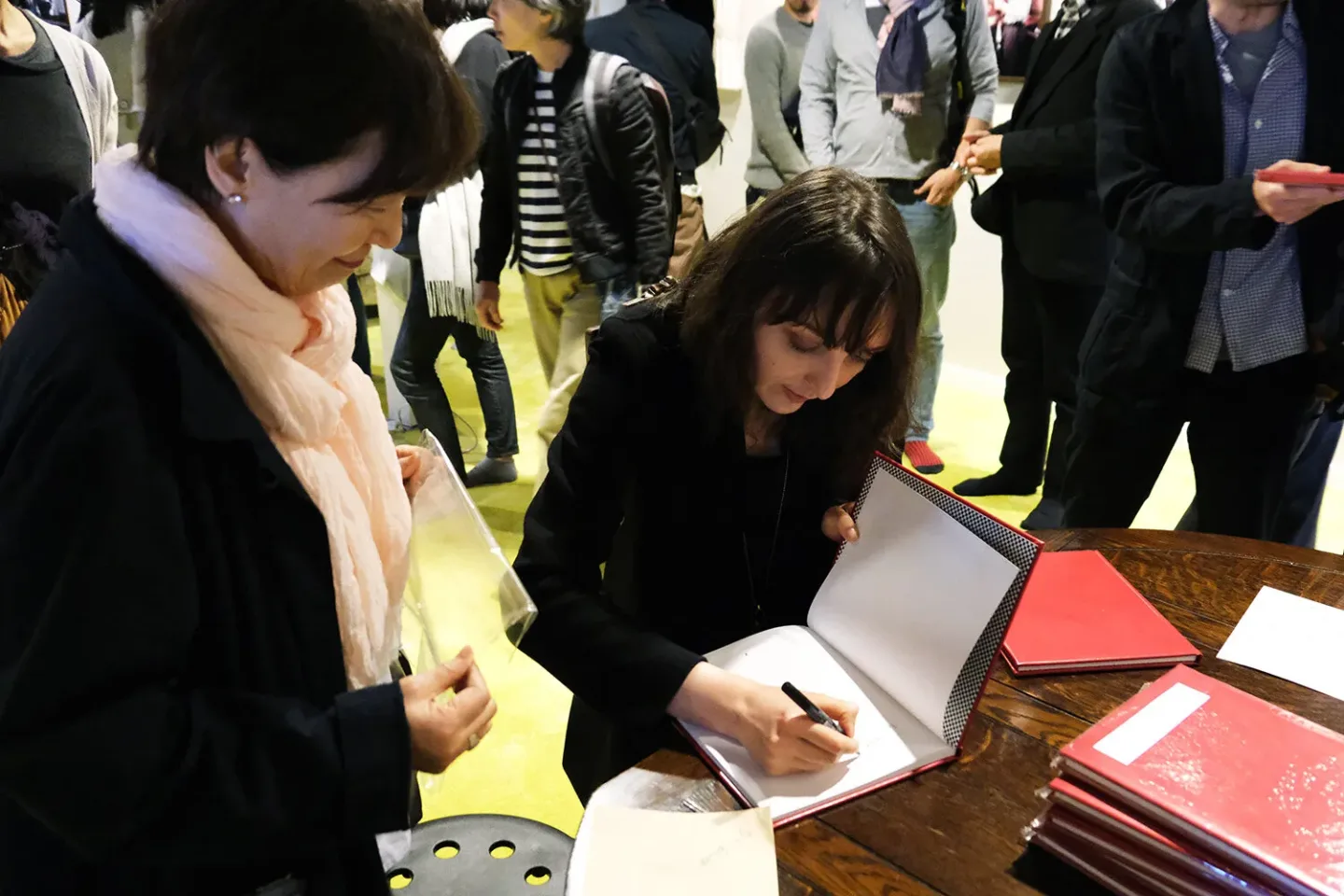
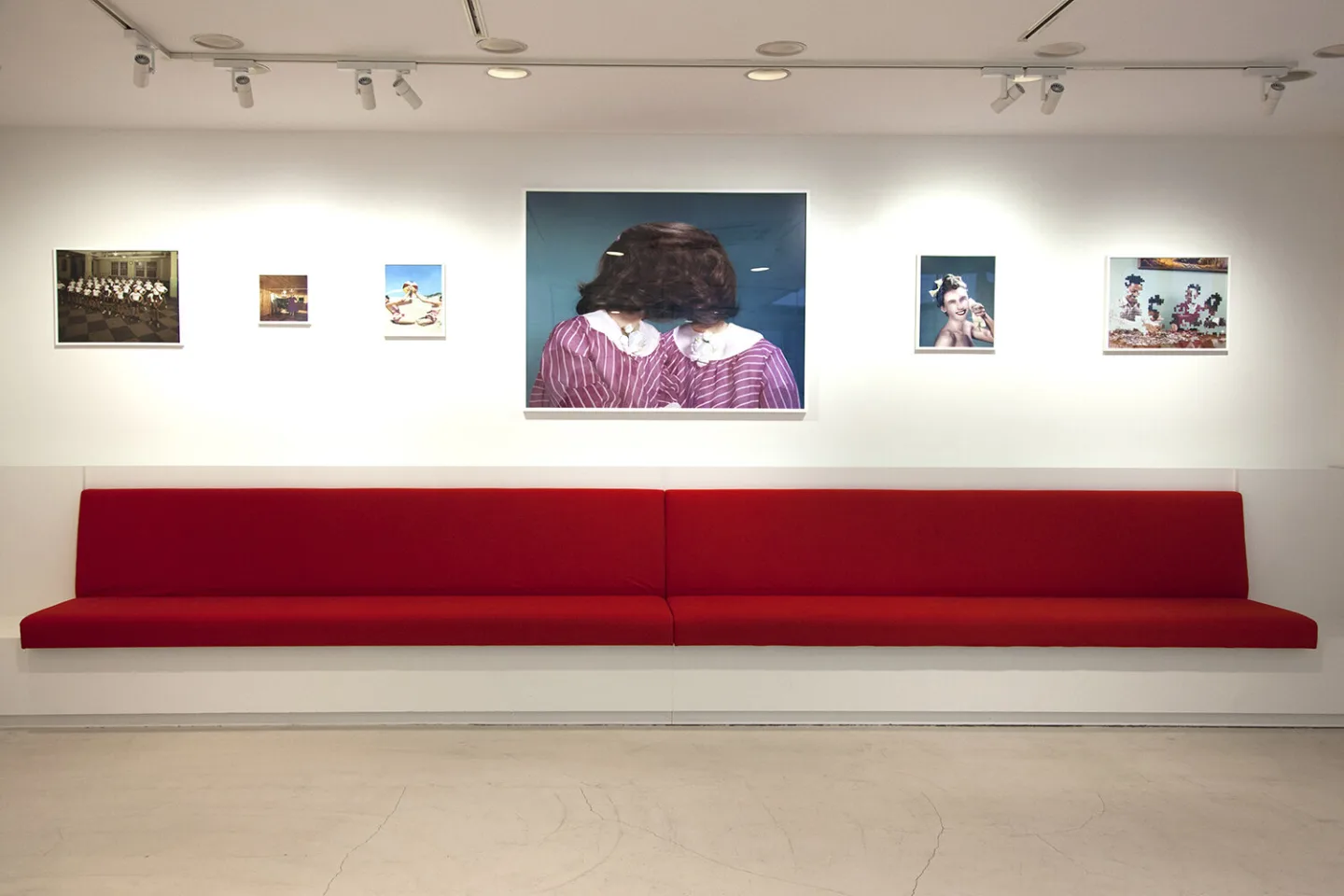
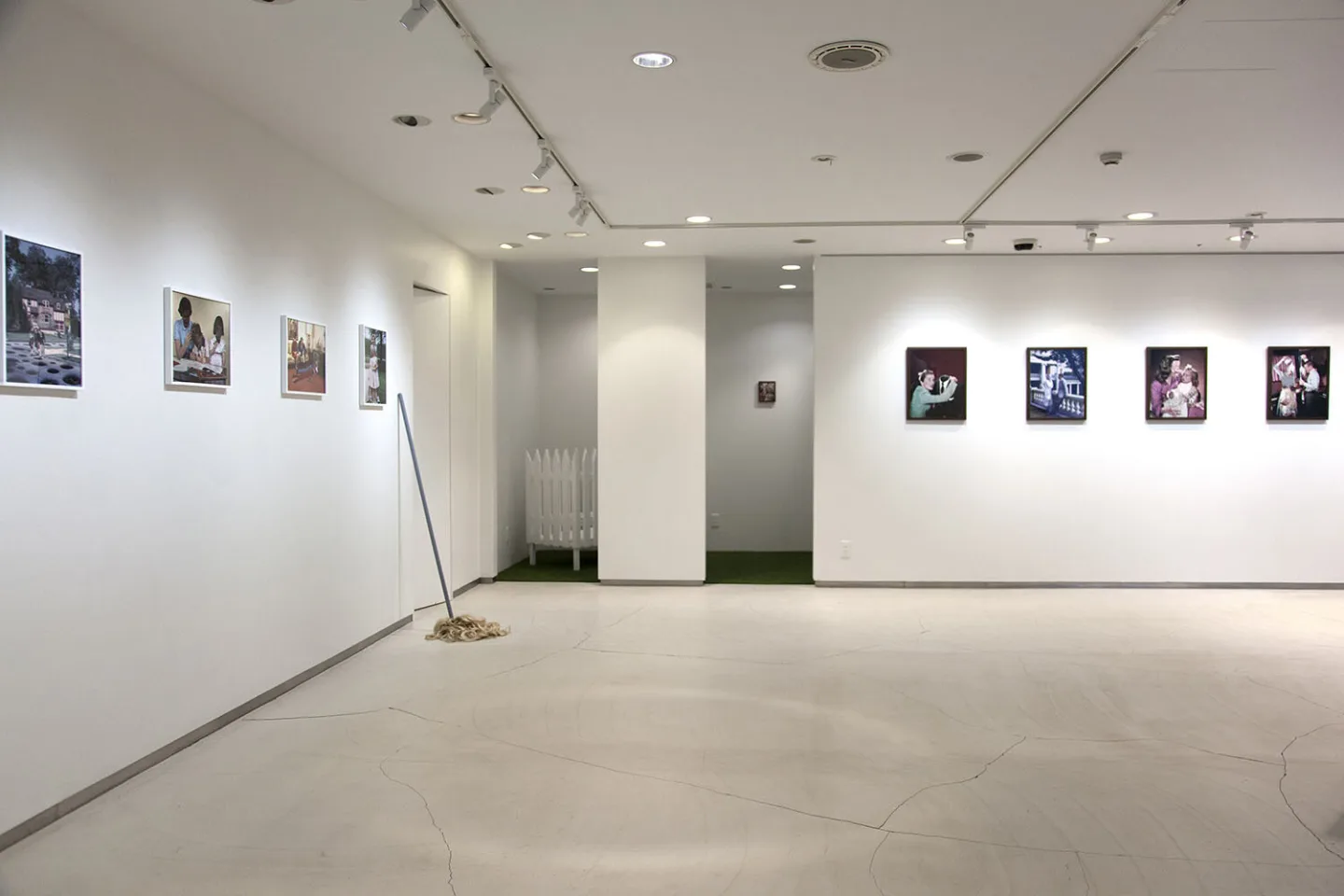
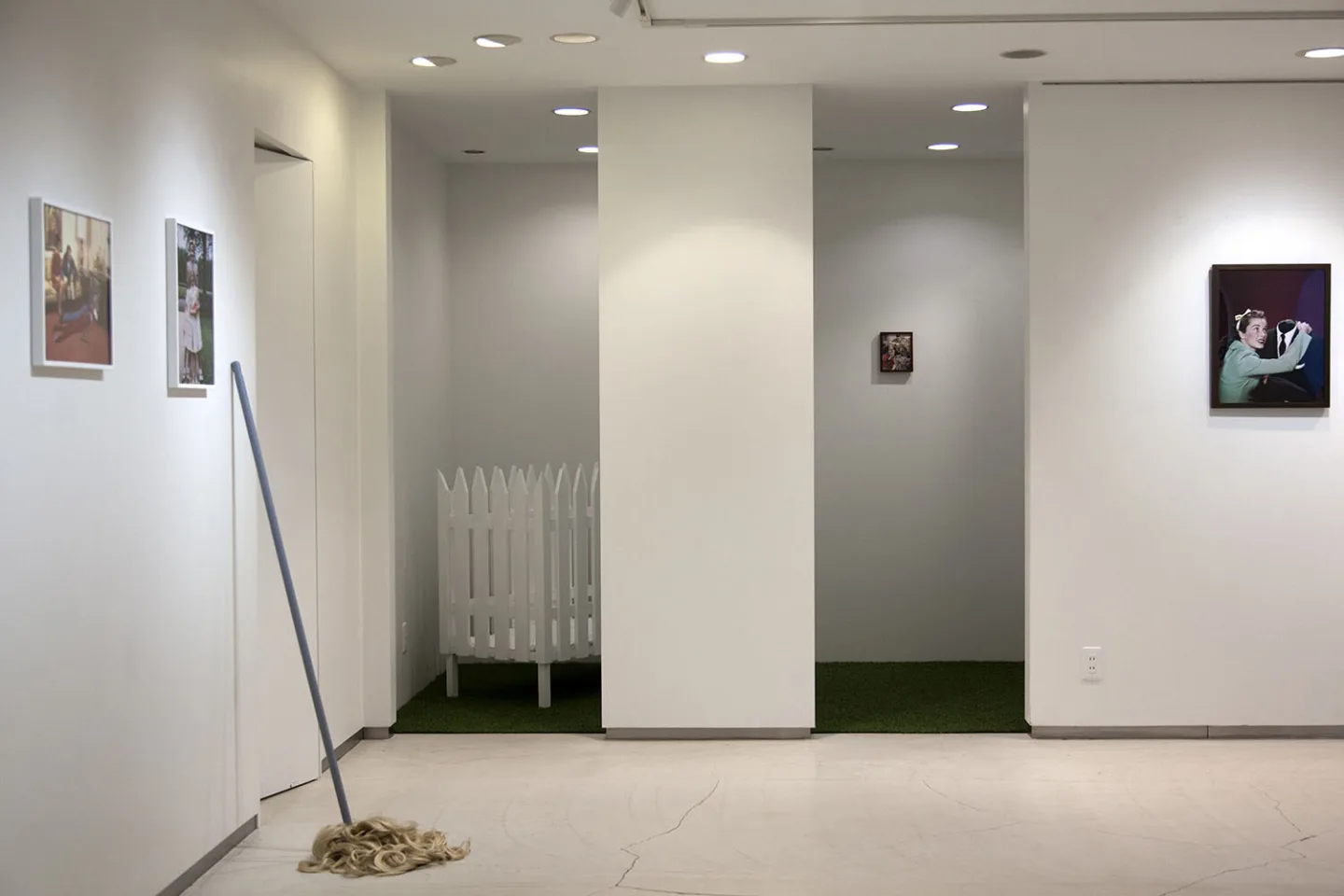
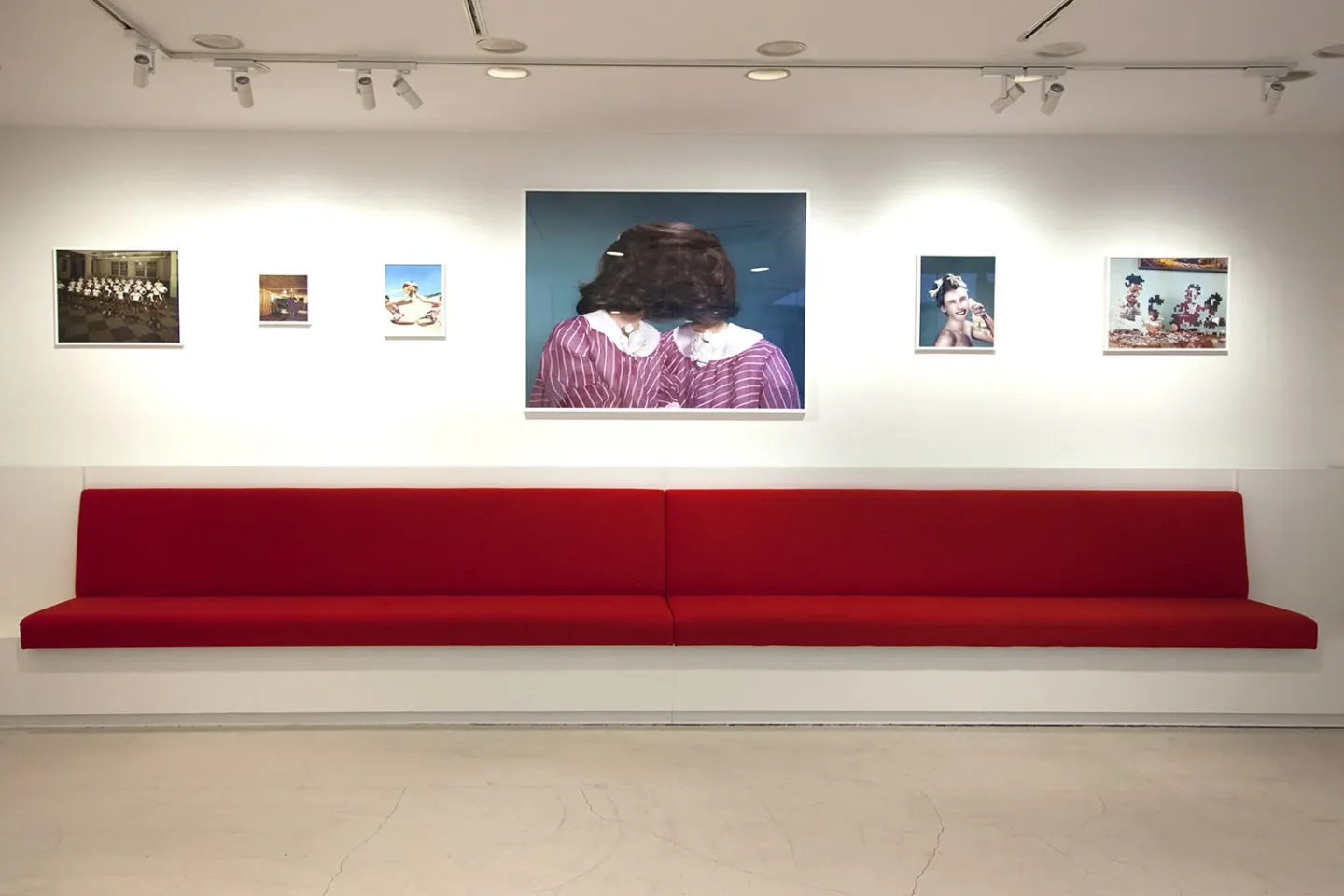
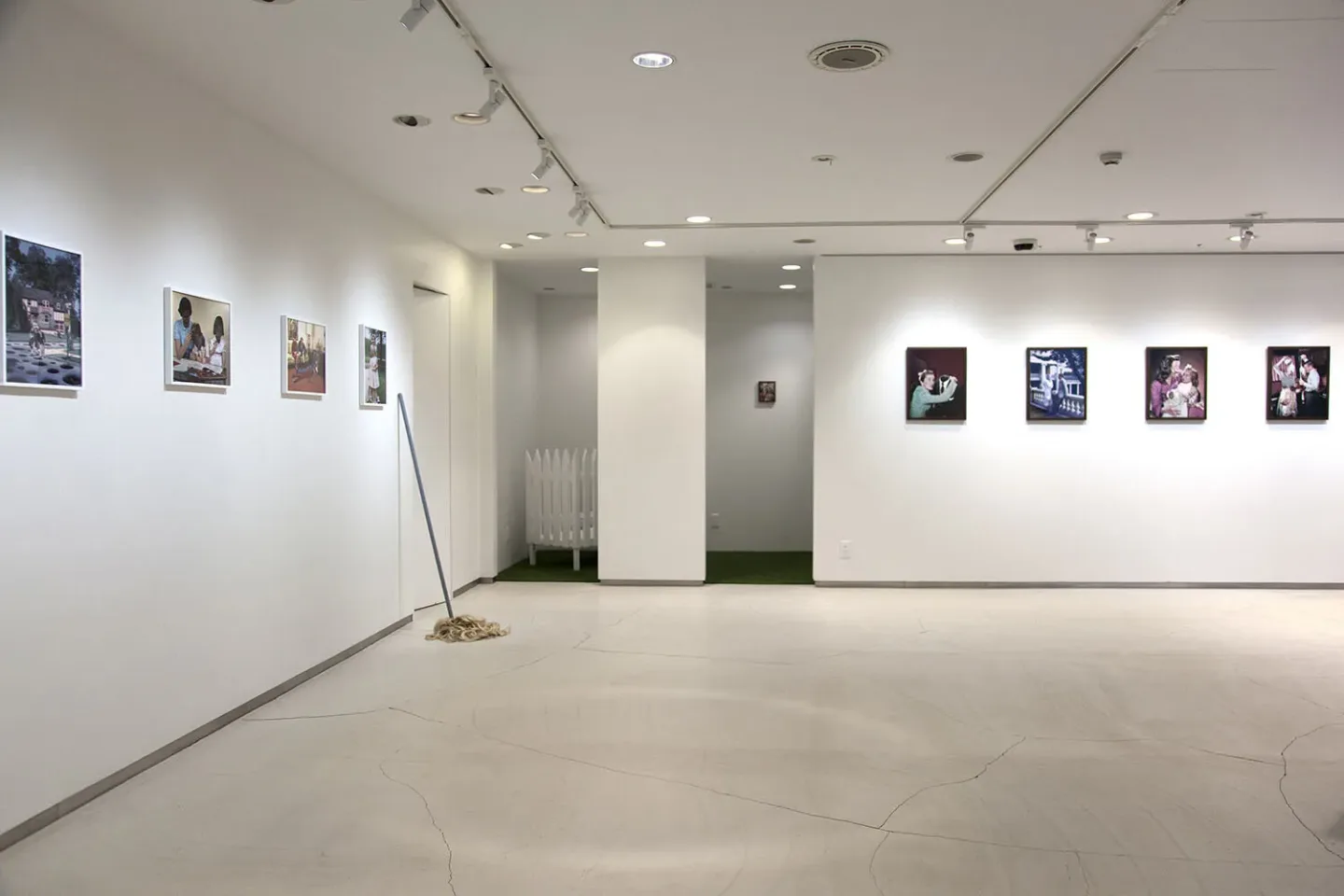
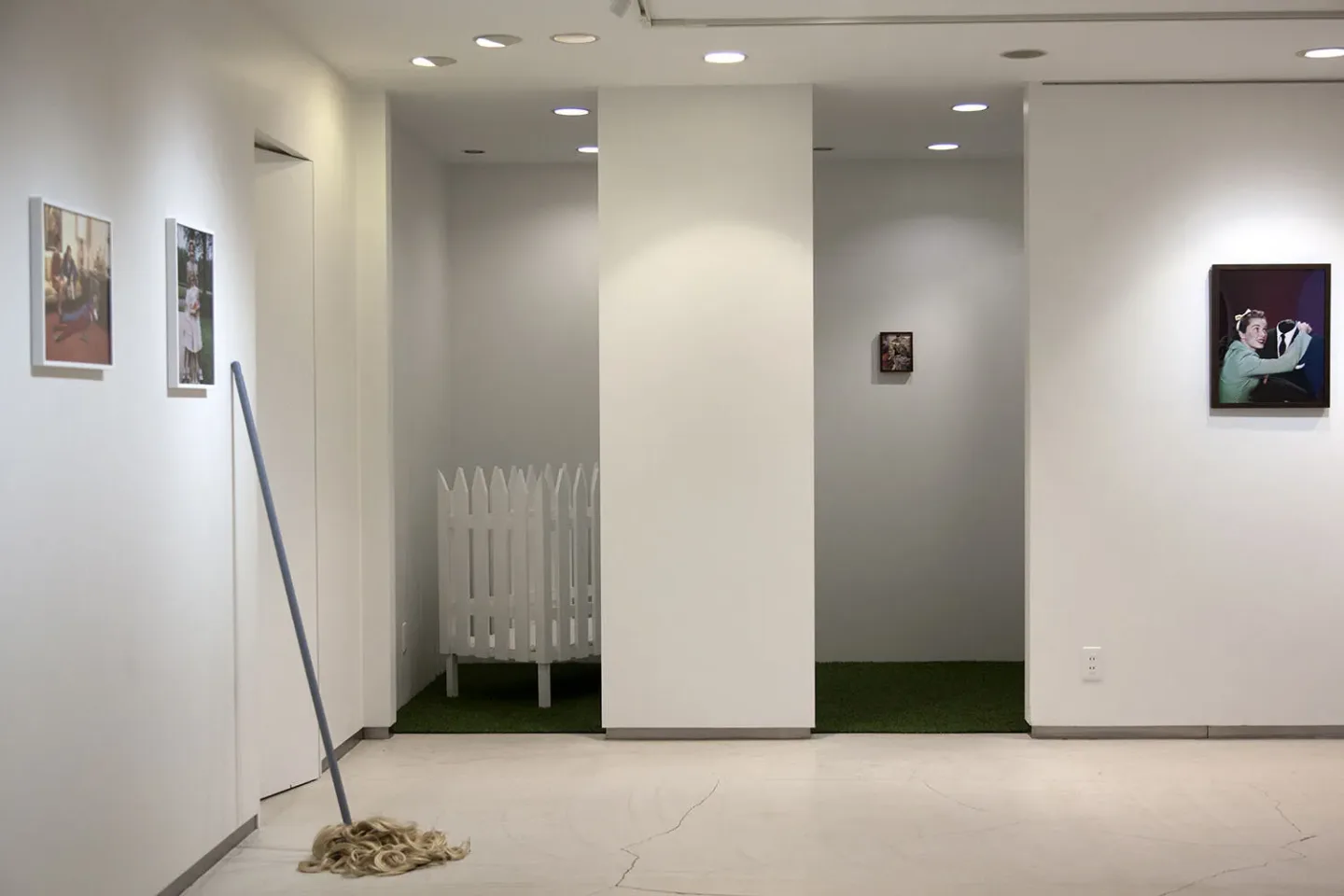
Photo: © Takeshi Sugiura / Elodie Laleuf / KYOTOGRAPHIE
Press 11
- IMA Vol. 28 2019.05.29 PDF
- Numéro TOKYO 2019.05.11
- GQ Japan 2019.05.01 ↗
- The Guardian 2019.04.25 PDF
- Le Figaro 2019.04.22 PDF
- Yomiuri Shimbun 2019.04.21 PDF
- Nikkei 2019.04.13 PDF
- Bijutsu Techo 2019.04.12 PDF
- ELLE JAPON 2019.03.28
- British Journal of Photography 2019.03.19 PDF
- Numéro TOKYO 2019.02.28